Are you a type of person who prefers sitting or lying down while engaged in an activity like reading, socializing, watching television, playing video games, or using a mobile phone/computer for much of the day? If you are, then you have a sedentary lifestyle. Sedentary lifestyle is a lifestyle that is physically inactive. Be alert for this may increase the risk of certain cancers, leads to anxiety or depression, and to be a factor of certain cardiovascular diseases.
HERE ARE SOME 5 DEADLY DISEASES CAUSED BY SEDENTARY LIFESTYLE.
- Heart diseases, including coronary artery disease and heart attack.
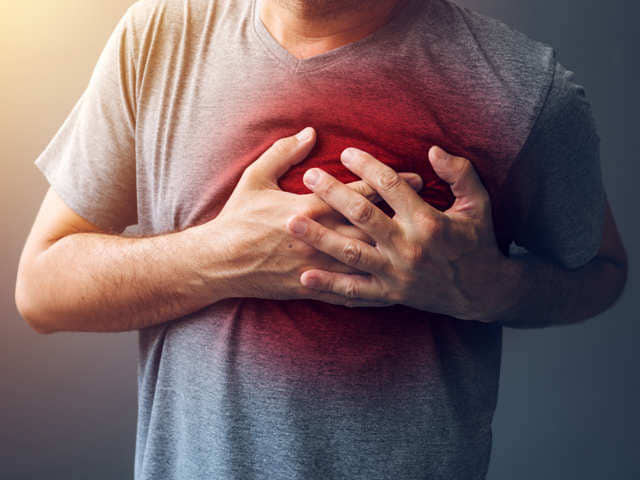
The term “heart disease” is often used interchangeably with the term “cardiovascular disease.” Cardiovascular disease generally refers to conditions that involve narrowed or blocked blood vessels that can lead to a heart attack, chest pain (angina) or stroke.The term “heart disease” is often used interchangeably with the term “cardiovascular disease.” Cardiovascular disease generally refers to conditions that involve narrowed or blocked blood vessels that can lead to a heart attack, chest pain (angina) or stroke.
- Control your blood pressure.
- Keep your cholesterol and triglyceride levels under control.
- Stay at a healthy weight.
- Eat a healthy diet.
- Get regular exercise.
- Limit alcohol.
- Don’t smoke.
- Manage stress.
- Certain cancers, including colon, breast, and uterine cancers.
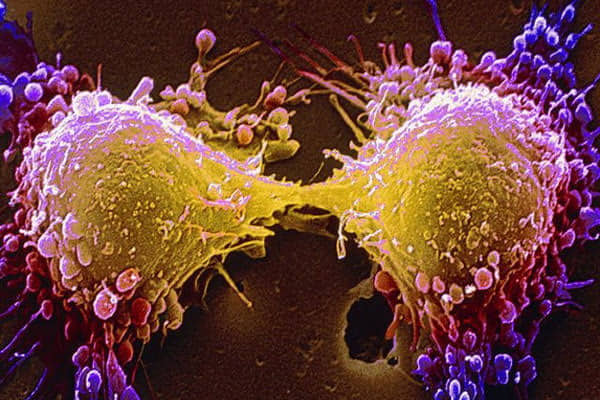
Cancer is a group of diseases involving abnormal cell growth with the potential to invade or spread to other parts of the body.These contrast with benign tumors, which do not spread. Possible signs and symptoms include a lump, abnormal bleeding, prolonged cough, unexplained weight loss, and a change in bowel movements. While these symptoms may indicate cancer, they can also have other causes. Over 100 types of cancers affect humans.
CANCER MIGHT BE DEADLY BUT CONSIDER THESE CANCER-PREVENTION TIPS.
- Don’t use tobacco. Using any type of tobacco puts you on a collision course with cancer.
- Eat a healthy diet.
- Maintain a healthy weight and be physically active.
- Protect yourself from the sun.
- Get vaccinated.
- Avoid risky behaviors.
- Get regular medical care.
- Stroke Disease.
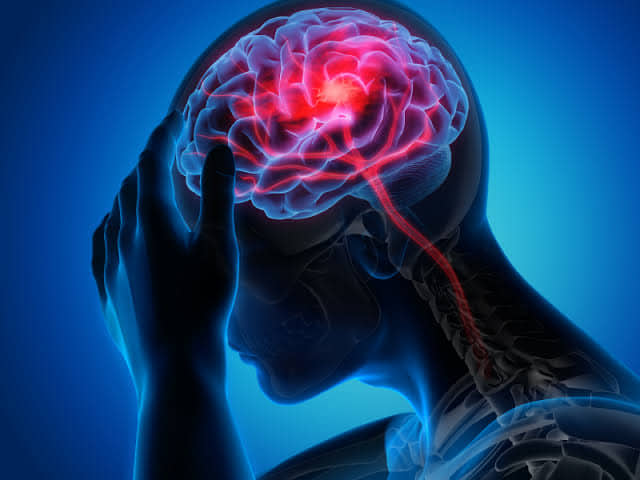
Stroke is a disease that affects the arteries leading to and within the brain. It is the No. 5 cause of death and a leading cause of disability in the United States. A stroke occurs when a blood vessel that carries oxygen and nutrients to the brain is either blocked by a clot or bursts (or ruptures).
PROTECT YOURSELF AND AVOID THE RISK OF STROKE, REGARDLESS OF YOUR AGE OR FAMILY HISTORY BY FOLLOWING THESE TIPS.
- Lower blood pressure.
- Lose weight.
- Exercise more.
- If you drink — do it in moderation.
- Treat atrial fibrillation.
- Treat diabetes.
- Quit smoking.
- High blood pressure.

High blood pressure is a common condition in which the long-term force of the blood against your artery walls is high enough that it may eventually cause health problems, such as heart disease.
If your blood pressure is extremely high, there may be certain symptoms to look out for; Severe headache, fatigue or confusion, vision problems, chest pain, difficulty breathing, irregular heartbeat, blood in the urine and, pounding in your chest, neck, or ears.
HIGHBLODD PRESSURE CAN BE PREVENTED BY DOING SOME OF THE FOLLOWING:
- Eating a healthy diet. To help manage your blood pressure, you should limit the amount of sodium (salt) that you eat, and increase the amount of potassium in your diet.
- Getting regular exercise.
- Being at a healthy weight.
- Limiting alcohol.
- Not smoking.
- Managing stress.
- Type 2 Diabetes
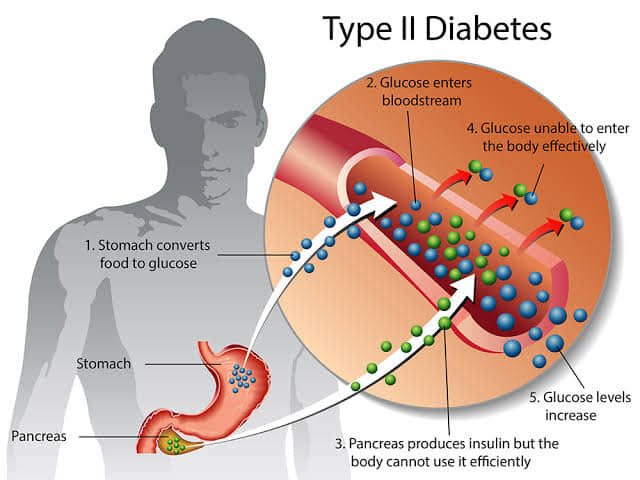
Diabetes means your blood glucose, or blood sugar, levels are too high. With type 2 diabetes, the more common type, your body does not make or use insulin well. Insulin is a hormone that helps glucose get into your cells to give them energy. Without insulin, too much glucose stays in your blood. Over time, high blood glucose can lead to serious problems with your heart, eyes, kidneys, nerves, and gums and teeth.
You have a higher risk of type 2 diabetes if you are older, have obesity, have a family history of diabetes, or do not exercise. Having prediabetes also increases your risk. Prediabetes means that your blood sugar is higher than normal but not high enough to be called diabetes. If you are at risk for type 2 diabetes, you may be able to delay or prevent developing it by making some lifestyle changes.
The symptoms of type 2 diabetes appear slowly. Some people do not notice symptoms at all. The symptoms can includes
- Being very thirsty
- Urinating often
- Feeling very hungry or tired
- Losing weight without trying
- Having sores that heal slowly
- Having blurry eyesight
Blood tests can show if you have diabetes. One type of test, the A1C, can also check on how you are managing your diabetes. Many people can manage their diabetes through healthy eating, physical activity, and blood glucose testing. Some people also need to take diabetes medicines.
HERE ARE SOME TIPS TO HELP YOU REDUCE YOUR RISK OF TYPE 2 DIABETES:
- Check your risk of diabetes. Take the Life!
- Manage your weight.
- Exercise regularly.
- Eat a balanced, healthy diet.
- Limit takeaway and processed foods.
- Limit your alcohol intake.
- Quit smoking.
- Control your blood pressure.
 Pénte Lifestyle